×

Pachinko

Discovering Pachinko Across Tokyo and Osaka: A Distinct Approach to Arcade Entertainment
Pachinko machine

Grasping the Basic Concept of Pachinko

Pachinko is played on a vertical machine where small steel balls move downward across a surface filled with carefully arranged pins. The main goal is simple and easy to understand: guide the balls toward specific areas that can trigger bonus balls or unlock additional opportunities to continue play.

Pachinko in Tokyo and Osaka: Why Each Session Feels Unique

What distinguishes pachinko from traditional arcade-style games is the balance between player input and uncertainty. You choose when to begin and follow each movement closely, yet the final result is never guaranteed. This blend of intention and unpredictability keeps sessions feeling fresh, engaging, and rewarding over time.

How a Session Develops

Play begins as metal balls are released into the upper section of the vertical board. As they fall, the balls bounce between pins, shift direction, and create a steady, flowing motion that many players find calming to observe. Key moments occur when balls reach special zones, activating effects such as extra balls or additional credits.

Player Involvement and Learning

Although chance plays a major role, experience allows players to develop a small degree of influence. Minor adjustments in timing and release strength can subtly affect ball movement. Because each machine features its own pin layout and behavior, this limited control encourages involvement and gradual understanding over repeated visits.

Progression and Rewards

Positive outcomes may result in extra balls or reward items that can be collected and exchanged later. This layered system adds continuity beyond a single round, giving each visit a sense of progression. As a result, pachinko offers more depth than a quick arcade activity, supporting ongoing interest across multiple sessions.
The Beginnings and Early Growth of Pachinko

Pachinko started to take shape in the early twentieth century, drawing inspiration from basic pin-based amusement games introduced from overseas. These early concepts were gradually adapted to suit local tastes, forming the foundation of what pachinko would later become. In its initial stage, the game was mainly intended for younger audiences and focused on short, light sessions rather than long or complex play.

From Simple Play to a Deeper Experience

Over the years, pachinko developed step by step. Machine design became more advanced, pin arrangements grew more intricate, and additional mechanical features were introduced. The later integration of electronic components further expanded how the game could be experienced. What began as a simple pastime slowly evolved into a more engaging activity, encouraging longer visits and increased player involvement.

Pachinko in Tokyo and Osaka: The Emergence of Modern Venues

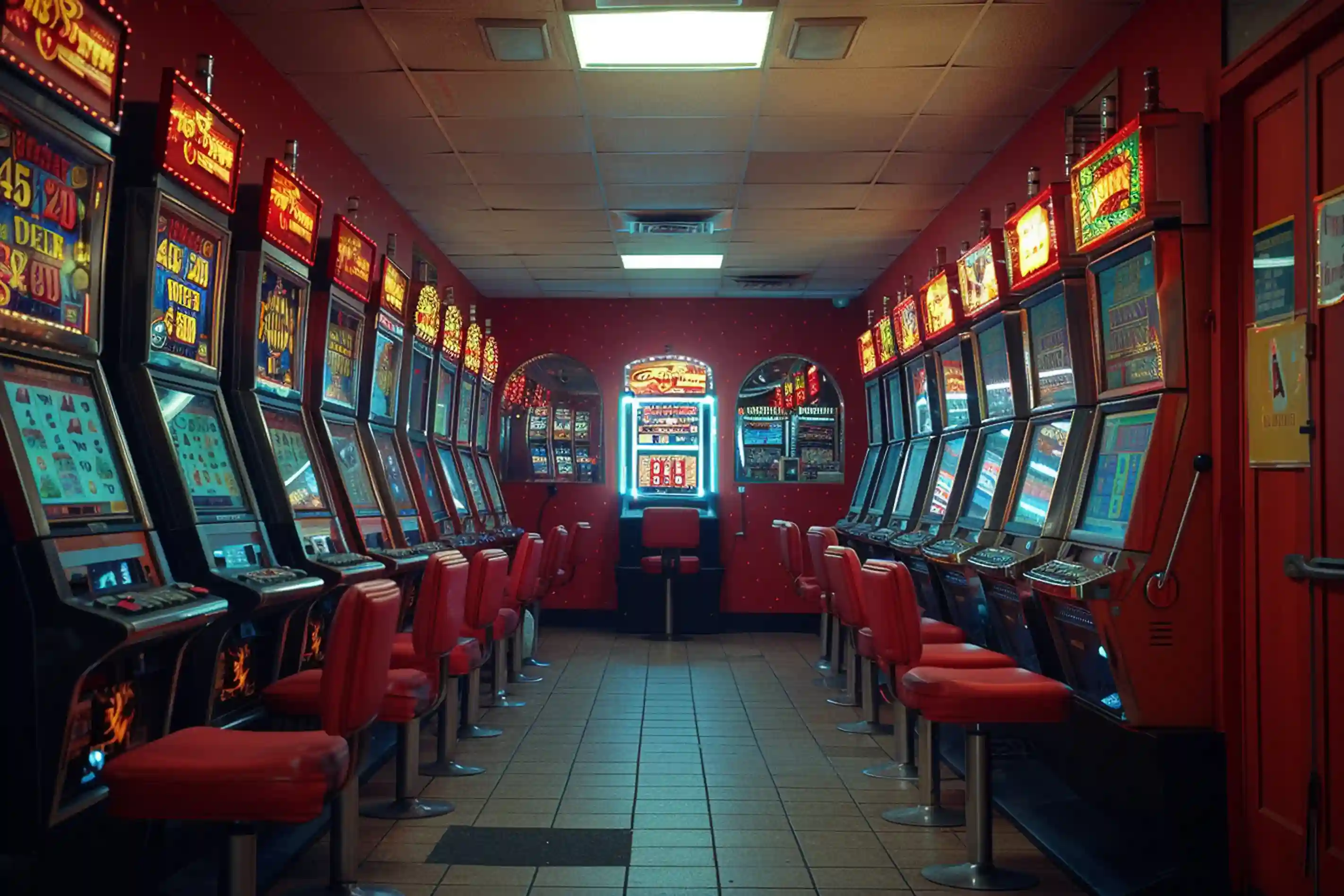
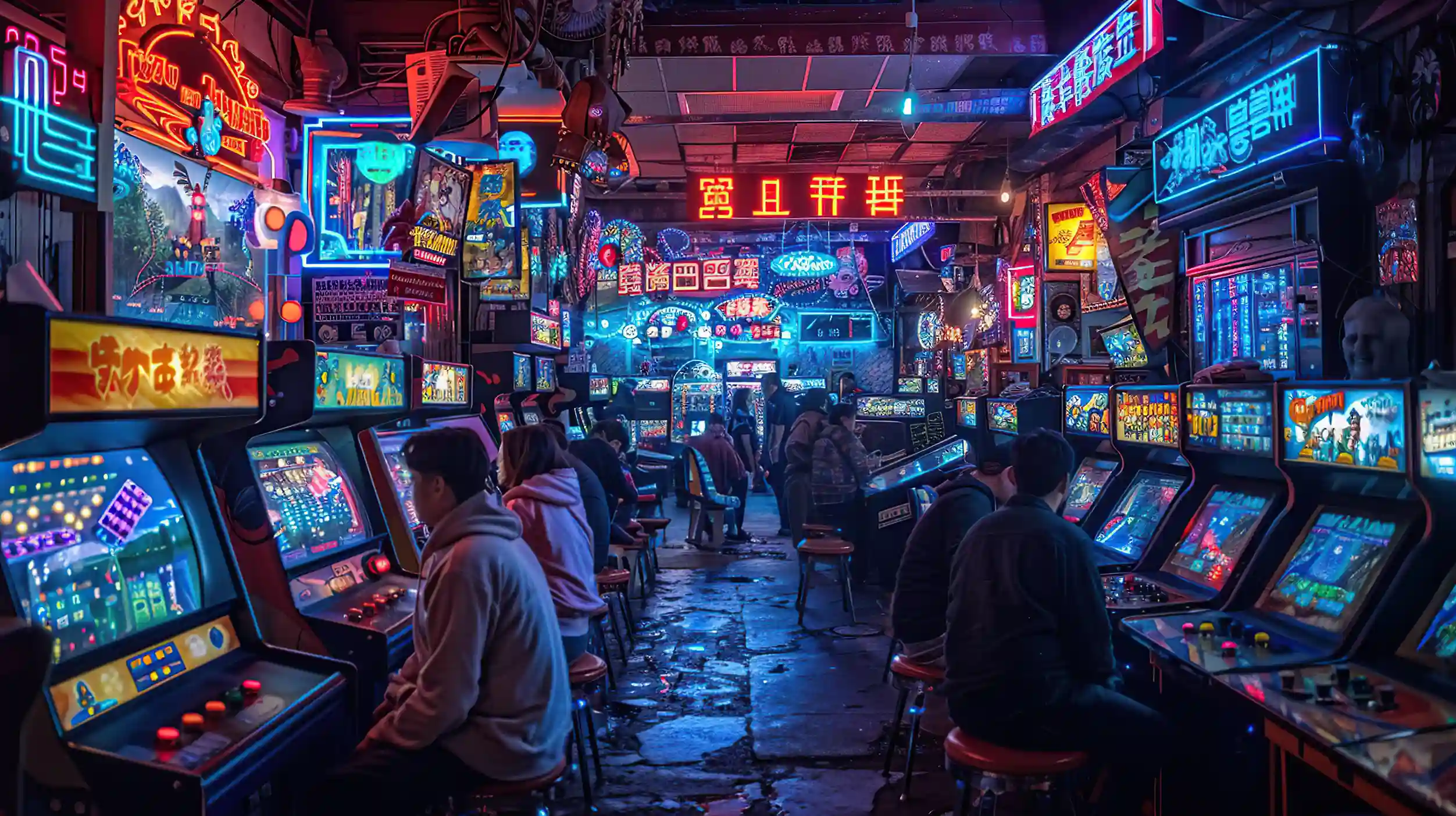
As leisure activities became more widely accessible during periods of social change, pachinko secured its place in everyday entertainment. Continued technological development led to larger halls and more expressive designs, shaping the venues seen today. In major urban centers like Tokyo and Osaka, pachinko halls grew into dynamic, well-structured spaces that reflect both the game's historical roots and its ongoing evolution.

Pachinko history

Built with Precision and Thoughtful Design

Each pachinko machine is crafted with careful attention to detail, featuring a dense arrangement of precisely placed pins. These elements guide the steel balls across the surface, blending simple physical movement with subtle, unpredictable changes in direction. Because the final outcome can never be fully anticipated, every round feels distinct, engaging, and enjoyable to observe.

A Lively and Social Environment

Pachinko halls are more than places for individual play. They serve as shared environments where visitors naturally observe one another, exchange brief comments, and take part in the same energetic atmosphere. This collective presence adds a social layer that makes even short visits feel more interactive and connected.

A Clear Sense of Progress

The structured reward system gives direction to each session. Positive outcomes can lead to tokens or items that may be exchanged later, creating a feeling of continuity and forward movement. This structure helps the experience feel purposeful rather than random or fragmented.

Beyond Entertainment: A Cultural Tradition

Although pachinko drew inspiration from ideas outside Japan, it gradually formed a distinct identity. Over time, it adapted to local leisure habits, focusing more on relaxed participation and shared enjoyment than direct competition. Today, pachinko remains a living tradition—constantly evolving while staying closely linked to its cultural and social foundations.

Pachinko in Tokyo and Osaka: What Makes It Different from Classic Arcade Games

At a glance, pachinko may seem similar to familiar arcade entertainment, but the experience follows a very different logic. Instead of relying mainly on digital controls, pachinko is driven by physical movement. Steel balls travel freely under gravity, interact with pins, and respond to mechanical elements that shape their path. Because these motions are real and constantly changing, each round develops in its own way.

Participation is active rather than passive. Instead of pressing a button and waiting for a result, players influence how the balls move, observe their progress, and see how the machine reacts moment by moment. Much of the appeal comes from watching this flow, noticing subtle shifts in timing, and understanding how each machine's layout creates a distinct feel.

The Core of Pachinko Gameplay

At its foundation, pachinko is based on tangible mechanics rather than purely visual effects. Once released, the steel balls move through a dense field of pins, where even minor changes in angle or speed can affect the outcome. Since the exact path can never be fully predicted, each session remains fresh and engaging.

Careful machine design and precise pin placement create a balance between consistency and variation. This mix of structure and natural unpredictability gives pachinko its unique rhythm and clearly separates it from most traditional arcade-style games.

Pachinko vs arcade games
Pachinko evolution

The Evolution of Pachinko Over Time

Modern pachinko machines show a clear shift from their earlier forms. Today's designs often include advanced electronic components, animated displays, and more responsive interaction features that bring added movement and visual richness to each session.

At the same time, the core structure remains familiar. Steel balls, pin-controlled paths, and the classic vertical layout continue to define every machine. Contemporary themes, visual effects, and extra features are built on top of this foundation, allowing pachinko to adopt new technology while maintaining the identity that has shaped it for decades.

Pachinko in Tokyo and Osaka: Everyday Play Within a Broader Structure

Pachinko operates within a clearly defined system where each moment of play is part of a larger, ongoing process. During a session, collected balls are exchanged at specific counters for designated tokens, which can then be used to continue participation or access certain items. This layered setup creates a sense of continuity, turning individual visits into connected experiences rather than isolated moments.

Beyond the machines themselves, this structure relies on a wide network of people and services. From machine development and technical upkeep to venue management and daily coordination, many roles work together to keep everything functioning smoothly. The system is designed for consistency and long-term operation, balancing visitor comfort with organized oversight.

On a social level, pachinko halls often become shared spaces where different routines naturally overlap. Familiar faces, repeated visits, and brief interactions help form an atmosphere that feels more personal than standard entertainment venues. Over time, this regular presence can lead to informal communities shaped by habit and familiarity.

Pachinko also plays a role beyond leisure alone. It supports manufacturing, logistics, and service-related work, contributing to steady activity across multiple sectors. Today, pachinko remains a carefully organized system—blending engaging play with structured processes—allowing it to stay stable, relevant, and active over time.

Cultural Perspectives

★★★★★
"Pachinko combines precise mechanical structure with interactive play in a way that feels intentional and carefully designed. Even over time, the experience remains interesting and rewarding."
Arcade Culture Editor
★★★★★
"The steady motion of the balls and the open, shared environment create a social rhythm that clearly sets pachinko apart from typical arcade experiences."
Entertainment Industry Analyst
★★★★★
"Once the fundamentals become familiar, pachinko's appeal is easy to appreciate. The mix of chance, player involvement, and a relaxed competitive tone keeps sessions consistently enjoyable."
Culture & Lifestyle Reviewer
Entry to pachinko venues in Japan is restricted to individuals aged 18 and above. Persons under 18 are not permitted to enter or participate. This website is provided for informational purposes only.